Dog waste left in residential yards is generally regarded as a small inconvenience, yet it may pose serious sanitary and pest management problems. One of the most common concerns among homeowners is whether dog poop attracts rodents, particularly rats. Research and pest-control observations indicate that dog feces can indeed draw rats into yards, especially in urban and suburban environments where food sources are limited and competition is high. Addressing this risk often begins with consistent cleanup, whether through diligent self-maintenance or the use of a reliable pooper scooper service that ensures waste is removed before it becomes an attractant.
Does Dog Poop Attract Rats?
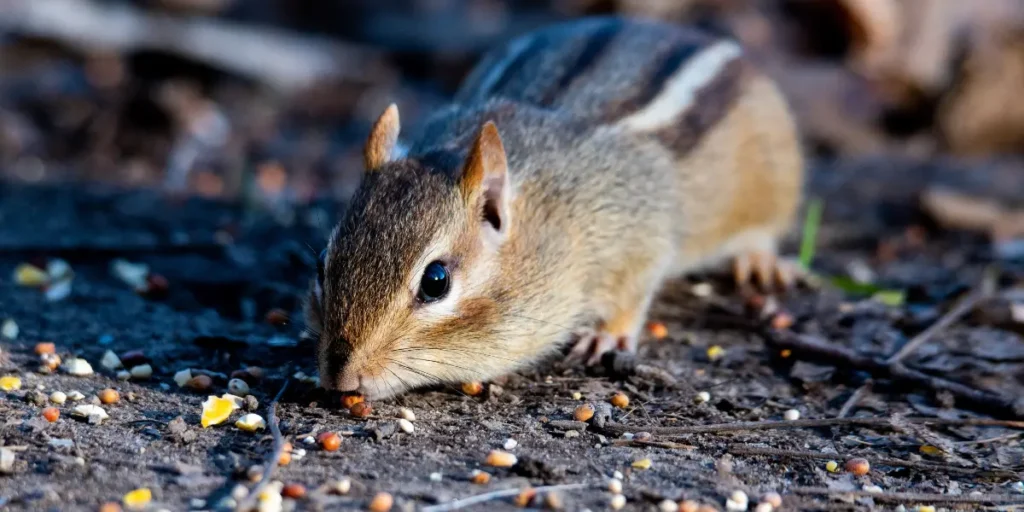
Yes, dog poop can attract rats. Rats are opportunistic scavengers and well-developed olfactory sense enables them to sniff organic waste at a considerable distance. The dog feces usually have undigested proteins, fats as well as grains which are easy source of food. When dog mess is constantly left on the grass or in yards, it is a dependable source of food, which attracts rats to come back and stay there, possibly forming new nesting areas.
Dog waste is particularly attractive to rodents for several reasons:
- Strong odors during decomposition signal the presence of food, especially in warm or damp conditions where smells linger longer.
- Undigested food particles in dog poop provide direct nutritional value for rats and mice.
- Insect activity increases around dog waste, attracting flies, beetles, and larvae that rodents also feed on.
- Consistency of exposure teaches rodents that the location is a dependable food source, increasing the risk of infestation over time.
Together, these factors make unattended dog poop a significant contributor to rodent activity in residential yards.
Impacts of Dog Poop
Dog poop that attracts rats can lead to wide-ranging consequences beyond simple yard cleanliness. The presence of rodents creates health, environmental, and property risks that can affect entire households and surrounding communities.
- Public health risks increase as rats carry and spread diseases such as leptospirosis, salmonella, and other bacterial infections through their urine and droppings.
- Soil contamination occurs when pathogens from dog waste and rodent feces remain in the ground, creating unsafe conditions for children and pets.
- Water pollution can result when rain or irrigation washes waste-borne bacteria into storm drains, groundwater, and nearby water bodies.
- Increased parasite exposure affects both humans and animals, including roundworms, fleas, and ticks that thrive in rodent-active environments.
- Pet health concerns grow as dogs may come into contact with contaminated soil or ingest rodent waste, leading to illness or reinfection cycles.
- Environmental degradation occurs when nutrient overload and bacteria disrupt soil balance and local ecosystems.
- Property damage becomes more likely as rats gnaw on fencing, wiring, irrigation lines, and outdoor structures once they settle near food sources.
- Community-level infestation risks rise when unmanaged yards contribute to sustaining local rodent populations, impacting neighboring properties as well.
Preventing Rodents Through Regular Cleanup
Consistent dog waste management plays a critical role in reducing rodent attraction. Eliminating food sources and odor cues makes yards far less appealing to rats and mice, especially in residential areas where rodent populations already exist.
- Remove dog poop promptly to prevent odors from developing and signaling food availability to rodents.
- Avoid letting waste accumulate, as repeated exposure teaches rats that the yard is a dependable feeding site.
- Dispose of dog waste in sealed, rodent-proof bins rather than open trash cans or loosely tied bags.
- Clean high-risk areas regularly, including shaded corners, garden beds, and along fences where rodents tend to travel.
- Rinse affected lawn spots after cleanup to reduce lingering scent markers that may still attract pests.
- Control moisture in the yard, since damp soil and standing water intensify odors and create favorable conditions for rodents.
- Keep trash areas clean and secured, as food waste combined with dog poop increases rodent activity.
- Use a consistent schedule, such as weekly cleanup, to ensure waste never builds up between removals.
- Consider a professional pooper scooper service to maintain routine removal when time or mobility is limited.
- Combine dog waste removal with general yard maintenance, including trimming vegetation and removing debris where rats may hide.
Conclusion
Dog poop is not just a cleanliness issue; it is a clear contributor to rodent activity and the health and environmental risks that follow. When left unattended, dog waste provides food, scent cues, and favorable conditions for rats to return and settle near homes. Consistent cleanup breaks this cycle by removing attractants before rodents can benefit from them. Maintaining a regular dog waste removal routine is one of the simplest and most effective steps homeowners can take to protect their yards, their families, and their surrounding community from rodent-related problems.