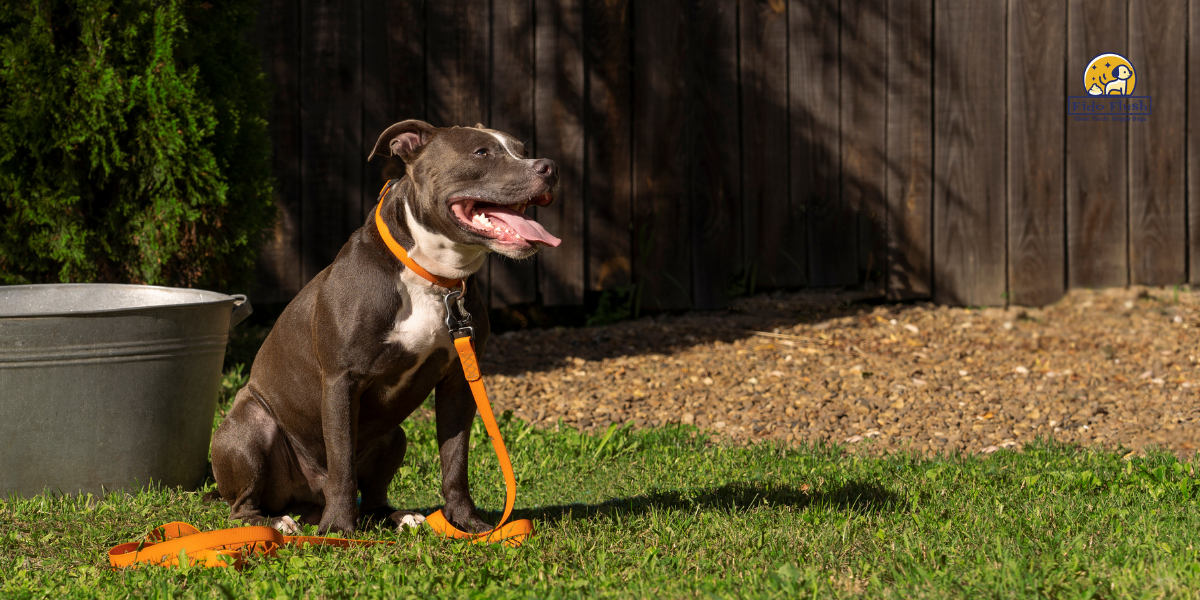
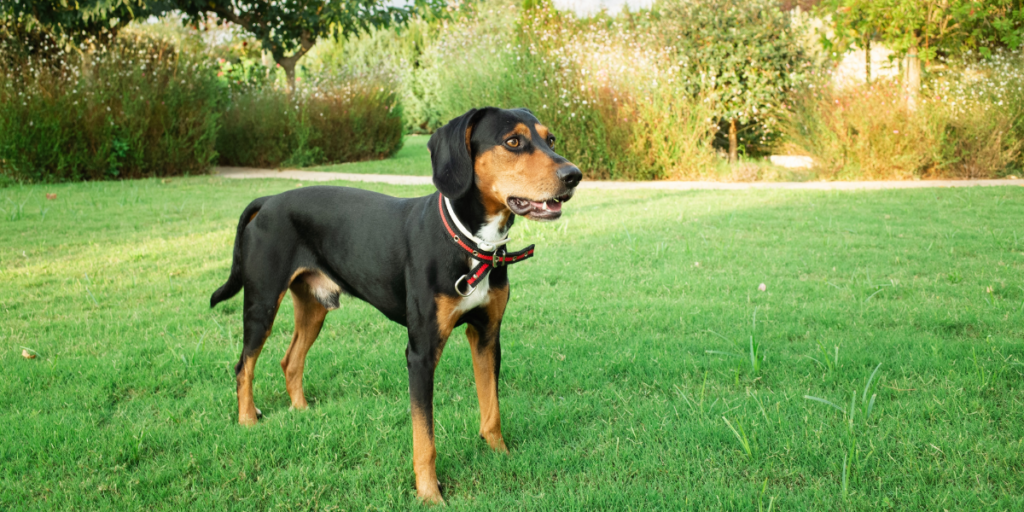
The dangers of keeping dog poop on your lawn are often underestimated. Does dog poop kill grass? Yes, it does.
Along with dog urine, pet waste is one of the most common and overlooked causes of brown patches, thinning turf, and declining lawn health. While dog waste may appear harmless at first, its chemical composition tells a very different story.
Over time, dog poop alters soil chemistry, disrupts nutrient balance, and interferes with normal grass growth. It also creates conditions that encourage disease and pest activity. Understanding how dog poop and dog urine affect your lawn is essential to preventing long-term damage and costly repairs.
Does Dog Urine Kill Grass?
Yes, dog urine can kill grass, especially when it hits the same area repeatedly.
Dog urine contains excess nitrogen that the body does not absorb. When urine lands on the lawn, the water slowly evaporates, leaving behind a concentrated nitrogen dose. While nitrogen is used in fertiliser, too much of it burns grass.
Common signs of urine damage include:
- Yellow or brown burn spots
- Dark green rings around dead patches
- Thinning turf in frequently used areas
Urination behaviour also matters. Female dogs usually squat, releasing urine in one concentrated spot, which increases burn risk. Male dogs often lift a leg, spreading urine more widely. However, repeated urination in the same area, regardless of sex, eventually kills grass.
Other factors that increase damage include:
- Large dog size
- Dehydration
- High-protein diets
- Frequent use of the same spot
Does Dog Poop Kill Grass?
Yes, dog poop kills grass, but in a different way.
Dog poop contains nitrogen and acidic compounds from protein-rich diets. Unlike composted manure, it does not break down safely. When left on grass, it blocks sunlight, traps moisture, and limits airflow.
This leads to:
- Dead or thinning grass
- Weak regrowth
- Patchy lawn appearance
Dog poop also encourages lawn fungus. Excess nitrogen feeds fungal spores, while moisture trapped beneath the waste speeds up their spread. Once fungus appears, lawn recovery becomes slower and more costly.
Unlike urine, poop damage is not affected by whether a dog is male or female. The longer the waste stays on the lawn, the greater the damage.
Health Risks of Leaving Dog Poop on Lawns
Dog poop isn’t just a lawn problem; it’s a serious health hazard. Pet waste can contain harmful bacteria and parasites, including:
- E. coli
- Salmonella
- Roundworms
- Parvovirus
These organisms can survive in soil for months. Rain or irrigation can spread them across your yard, putting children, pets, and adults at risk. Flies are also attracted to dog poop, increasing the chance of disease transmission around your home.
How to Stop Dog Waste from Killing Your Grass
Preventing lawn damage is possible. Consistency is key.
Clean Up Dog Poop Regularly
The faster the poop is removed, the less damage it causes. Immediate pickup is best. At a minimum, clean the yard once or twice a week. Busy homeowners often use a dog waste removal routine to prevent buildup and protect their lawns year-round.
Designate a Dog Potty Area
Choose a specific area for your dog to relieve itself. Use gravel, mulch, or stone instead of grass. This limits nitrogen damage to one zone. It also keeps the rest of the lawn healthy. Plant shrubs or tall grasses around the area for privacy and appearance.
Rinse Urine Spots
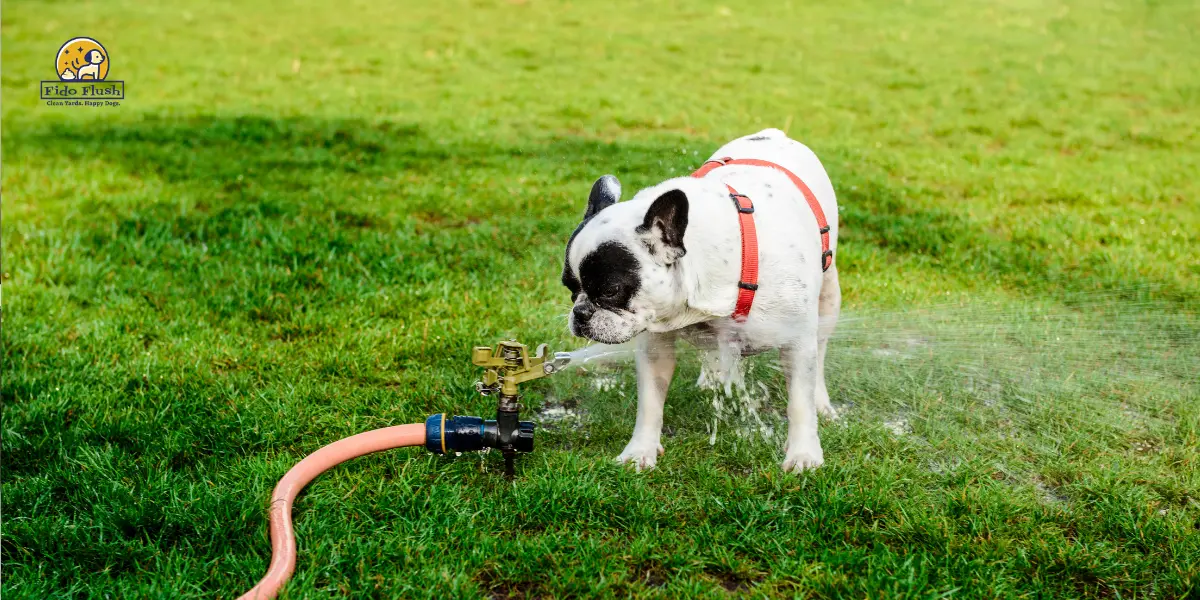
Water dilutes nitrogen. Rinsing areas where your dog urinates reduces burn spots. A quick hose-down can make a big difference, especially in hot weather.
Avoid Over-Fertilizing
Fertiliser already adds nitrogen to the soil. Combined with dog urine, this can overload your lawn. If you notice burn spots, switch to a pet-friendly fertilizer. Lower nitrogen formulas are safer.
Increase Lawn Maintenance
Healthy grass resists damage better.
- Mow at the correct height
- Aerate compacted soil
- Overseed thin areas
- Improve drainage
Strong roots recover faster from occasional exposure.
Stay Consistent With Removal
Occasional cleanup is not enough. Pet waste damage builds over time. A scheduled pooper scooper service ensures waste is removed before it can harm grass or soil.
Final Thoughts
The dangers of keeping dog poop on your lawn are real. Dog poop and urine burn grass, spread disease, and disrupt soil health. Regular cleanup, smart lawn care, and consistent removal protect both your lawn and your family. With the right habits, you can enjoy a green, healthy yard while keeping your dog happy outdoors.