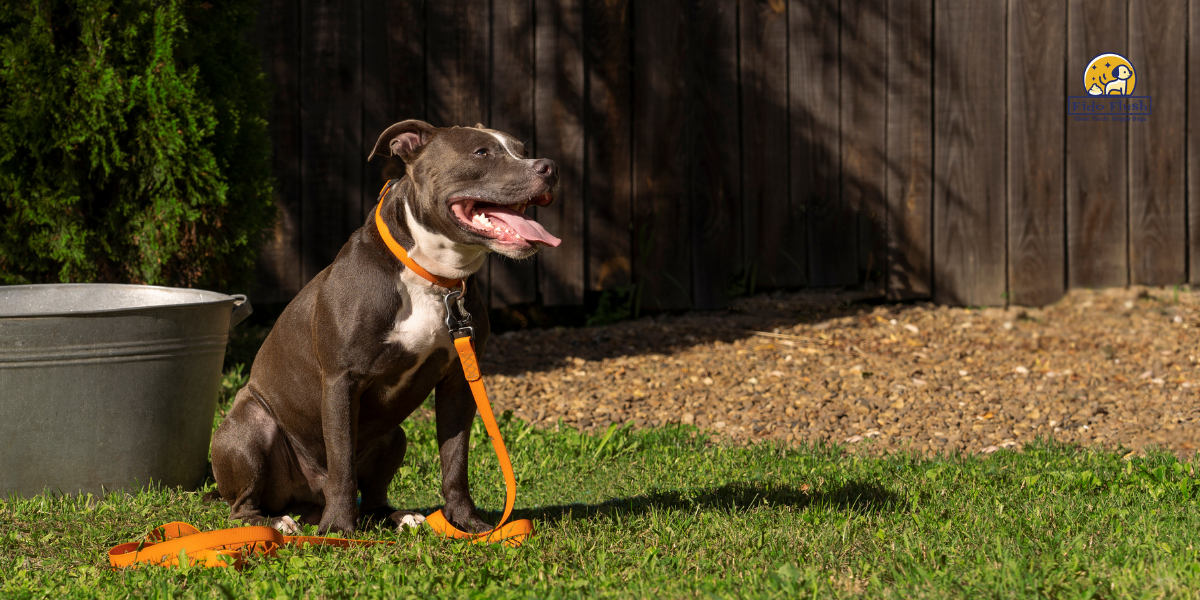
A beautiful lawn can quickly turn patchy when you have a dog. Brown or yellow spots from urine are common and can make your grass look unhealthy. Dog urine has nitrogen, which, in large quantities, can burn the roots of grass.
The damage is influenced by factors such as the diet of your dog, the amount of water that they have consumed and even the way they urinate. The squatting of female dogs or male dogs usually results in more focused spots.
The good news? You can maintain a green and healthy lawn with very rudimentary measures. There are practical means of keeping your yard safe, whether it is through training your dog through quick lawn care fixes, or even a pooper scooper service, or dog waste removal among busy homeowners.
Why Does Dog Pee Kill and Discolour Grass?
Your lawn may be ruined by dog urine, as it contains a lot of nitrogen. When the dogs consume protein, nitrogen accumulates in the blood and is excreted in the urine.
Those dogs who drink less water or are fed a high-protein diet have more concentrated urine. Excess nitrogen in a single area will overload the grass roots, resulting in brown spots or yellow spots.
How your dog urinates also matters. Female dogs and male dogs who squat create a more concentrated stream, which causes more noticeable damage than dogs who stand.
Grass type plays a role, too. Fescue and ryegrass are more resistant, while Bermuda grass and Kentucky bluegrass are sensitive to urine burn. Lawns that are heavily fertilised are also more vulnerable because of the extra nitrogen in the soil.
Understanding Dog Behaviour and Urine Patterns
Not every dog damages the lawns in the same manner. It is possible to stop urine spots by just knowing the habits of your dog.
- Frequency Matters: The more a dog urinates, the more strained areas it leaves on the lawn. Measuring the frequency of how regularly your dog is out can assist you in planning the lawn care.
- Male vs. Female Dogs: Male dogs who lift their leg often spread urine over a wider area, while female dogs or squatting males concentrate it in one spot. Knowing this can help you guide them to safer areas.
- Marking Behaviour: Dogs sometimes mark territory with small amounts of urine. Even tiny spots can damage sensitive grass over time. Encourage marking in less visible areas.
- Age and Health: Puppies and senior dogs may have more frequent or uncontrolled urination. Older dogs may need designated pee spots or more frequent walks to protect your lawn.
By observing your dog’s behaviour and adjusting accordingly, you can significantly reduce the risk of brown patches forming on your grass.
How to Protect Your Lawn
1. Hydrate Your Dog
Encourage your dog to drink more water. Diluted urine is less harmful. Use multiple water bowls or a pet fountain to make water more accessible.
2. Create a Pee Spot
Train your dog to use a specific area of the yard for peeing. You can even set up mulch, gravel, or artificial turf for this spot. It keeps the rest of your lawn safe.
3. Rinse After Urination
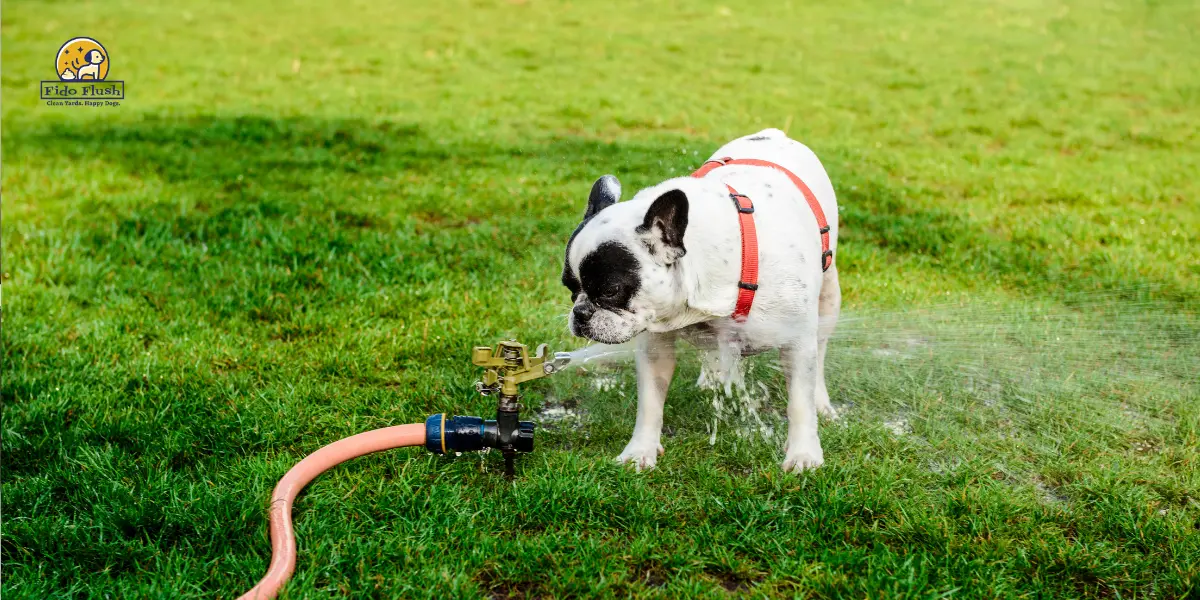
Pour water on the spot immediately after your dog pees. This dilutes nitrogen and prevents grass burn. Quick action saves your lawn.
4. Choose Urine-Resistant Grass
If you are reseeding, opt for hardy grass types like ryegrass or fescue. They can tolerate nitrogen better than sensitive varieties.
5. Adjust Lawn Fertiliser
Reduce nitrogen-based fertilisers or switch to low-nitrogen options. This prevents overloading your lawn and reduces damage from urine.
6. Use Lawn Repair Products
Enzymatic treatments or grass repair patches can help fix damaged spots. Products like these restore the soil and grass health.
7. Consider Dog Waste Removal Services
Regularly removing dog waste prevents extra nitrogen from accumulating in the soil. For busy homeowners, a pooper scooper service or dog waste removal service keeps your lawn clean and green.
Bottom Line
Keeping a green, healthy lawn with a dog is possible; it just takes a little planning and consistency. Hydrate your dog, create designated pee areas, rinse urine spots quickly, and choose resilient grass varieties. Combine these strategies with regular lawn care and, if needed, professional dog waste removal or a pooper scooper service for busy homeowners.Your lawn will look good, and your pet will be happy in the yard, with the right attitude. Even minor, regular steps can do wonders in taking care of your grass and have a beautiful outside setting.